

How to Brew Specialty Coffee at Home
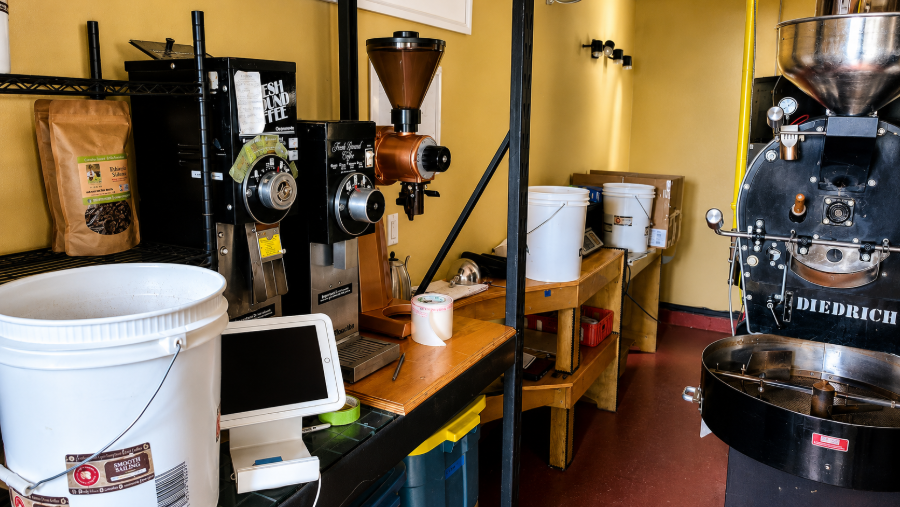
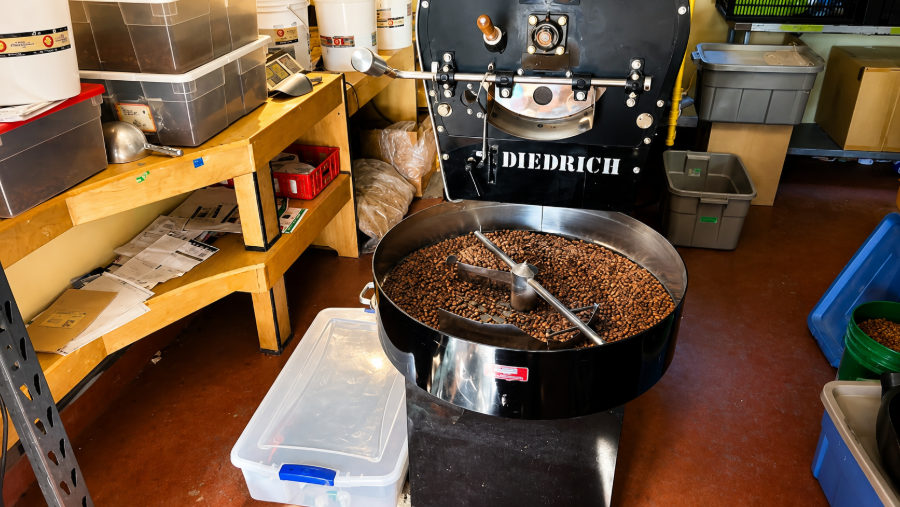
Great coffee starts long before the water boils. At Grab-a-Java, we have been roasting small-batch Arabica beans in Mission, BC since 1998, and one thing we have learned is that the best home brewing guide begins with one simple truth: fresh beans make all the difference. Coffee is a lot like bread. You would not buy a year's worth of bread from a grocery shelf and expect it to taste the way it did fresh from the oven. The same logic applies here. Once you have fresh, weekly-roasted beans in hand, the brewing methods you choose will bring out everything those beans have to offer, from bright floral notes to deep cocoa and caramel sweetness.
Freshness First, Mission BC
Why Fresh Beans Are the Foundation of Every Good Cup
Before you think about grind size or water temperature, consider what is in your bag. Coffee contains up to 430 distinct flavour and aroma characteristics, and most of them begin fading within 30 days of roasting. Grocery store coffee is often roasted months before it reaches the shelf. By that point, the volatile oils that carry those flavours have largely broken down. A quick visual check tells you a lot: if the beans look oily on the surface, that is a sign of age, not richness. Fresh beans roasted within the past week will look dry, smell vibrant, and brew with noticeably more depth and clarity. At Grab-a-Java, every batch is roasted weekly so that what arrives in your bag is genuinely fresh, not a product that has been sitting in a warehouse.

Coffee Brewing Methods
Matching Your Brew Method to Your Beans
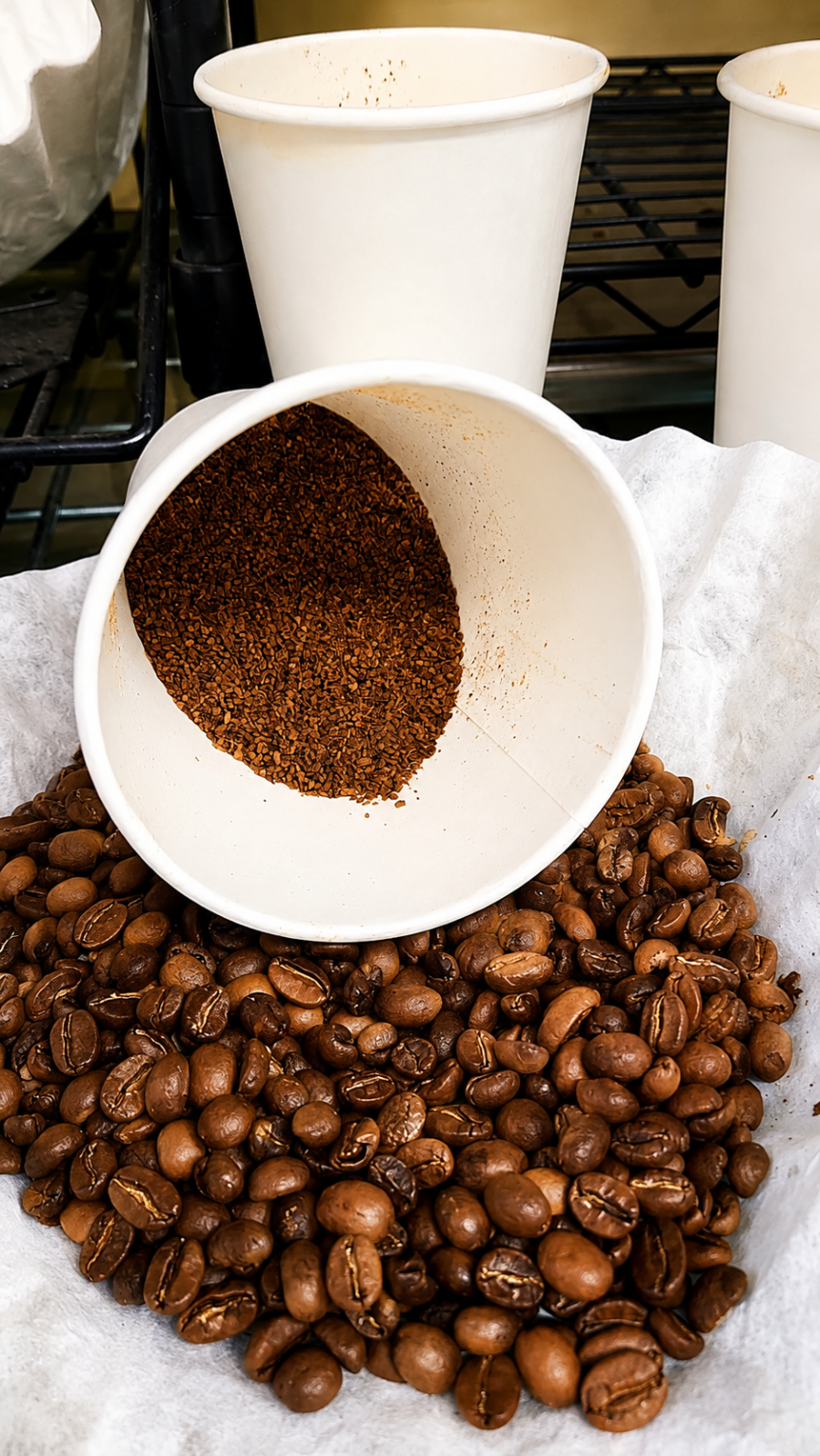
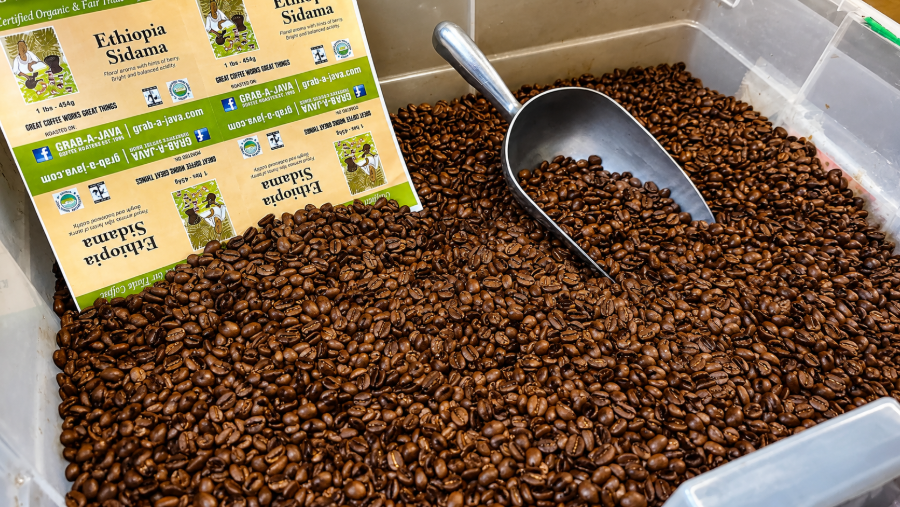
Not every bean brews best the same way, and understanding that connection is at the heart of good specialty coffee preparation. A bright, single-origin Ethiopia Sidama with floral and berry notes tends to shine in a pour-over setup, where the slower extraction highlights its delicate acidity. A fuller, darker blend like Full City Sasquatch holds up beautifully in a French press, where the longer steep draws out its body and depth. For espresso, a blend like Full Tilt is built specifically for that high-pressure extraction. The key is to think of your brew method as a lens: it either brings the bean's best qualities into focus or it blurs them. Grinding fresh at home, just before brewing, is one of the single biggest improvements most home brewers can make. Pre-ground coffee loses its aromatics quickly, so a consistent burr grinder is worth the investment for anyone serious about the cup.
Arabica Coffee Brewing Tips
Getting the Most from High-Quality Arabica Beans
High-elevation Arabica beans, grown at 4,000 feet and above, develop more complex sugars and acids than lower-grown varieties. That complexity is what produces tasting notes like black cherry, almond and cocoa, or mild stone fruit. To honor that complexity at home, a few practical habits go a long way. Use filtered water when possible, since tap water with heavy chlorine can mute subtle flavours. Keep your water temperature just off the boil, around 90 to 96 degrees Celsius, to avoid scorching the grounds. Store your beans in a cool, dry place in an airtight container, and bring your bag back to Grab-a-Java for a one-dollar refill discount when you are ready for your next batch. Precision tools like the Hario V60 Drip Scale and Timer, which measures beans, water, and extraction time, take the guesswork out of the process and help you repeat a great cup consistently.
The Education Behind the Cup
Learning to Taste What Is Actually in Your Coffee
Part of what makes specialty coffee preparation rewarding is developing the ability to taste what you are drinking, not just drink it. Each origin brings its own signature. Peru, Grab-a-Java's signature single origin sourced through the Cafe Femenino program, offers a clean, balanced cup with mild stone fruit and caramel sweetness. Ethiopia Yirga Chefe is known for its bright, floral aroma with hints of berry. Brazil Minas Gerais tends toward cocoa and peanut butter warmth. When you know what to look for, brewing becomes less of a routine and more of a craft. Grab-a-Java's approach has always been to share that knowledge directly with customers, treating the coffee experience the way a winery treats a tasting tour: walking you through the origin, the roast, and the cup so that every brew you make at home reflects a genuine understanding of what is in the bag.
Your Brewing Questions, Answered
Frequently Asked Questions About Home Brewing
How long does freshly roasted coffee stay at its best?
Roasted coffee is most flavourful within the first 30 days after roasting. After that window, the volatile oils and aromatic compounds that carry the bean's flavour begin to break down noticeably. Grab-a-Java roasts in small batches every week specifically to keep beans within that freshness window. Grocery store coffee, by contrast, is often roasted months before it reaches the shelf, which is why it can taste flat or bitter even before the bag is opened. Buying in smaller quantities more frequently is a better approach than stocking up.What is the difference between brewing with a French press versus a pour-over?
A French press uses full immersion, meaning the grounds sit in contact with water for the entire brew time, typically around four minutes. This produces a fuller-bodied cup with more texture. A pour-over method, like the Hario V60, uses a paper or metal filter and a slower, controlled pour, which results in a cleaner, brighter cup that highlights delicate flavours like floral notes or fruit acidity. Lighter single-origin coffees, such as Ethiopia Yirga Chefe, tend to suit pour-over well, while darker or fuller blends like Full City Sasquatch work nicely in a French press.Why do my coffee beans look oily, and does that mean they are fresh?
Oily beans are actually a sign of age, not freshness or quality. As roasted coffee gets older, the internal oils migrate to the surface of the bean. In a dark roast this can happen sooner, but in general, a noticeably oily exterior on beans that have been sitting for weeks or months indicates that the aromatics have already begun to degrade. Freshly roasted beans typically look dry on the surface and have a vibrant, complex aroma. If your beans are shiny and slick and the bag has been open for a while, they are likely past their prime.Does grinding coffee at home really make a noticeable difference in the cup?
Yes, it makes a significant difference. Pre-ground coffee has much more surface area exposed to air, which means it loses its aromatics much faster than whole beans. Grinding just before brewing preserves those volatile compounds right up until extraction. A consistent burr grinder, rather than a blade grinder, also produces a more uniform grind size, which leads to more even extraction and a better-tasting cup. For methods like pour-over or espresso where grind consistency matters a great deal, grinding fresh at home is one of the most impactful changes a home brewer can make.What is the Hario V60 Drip Scale and Timer, and do I need one?
The Hario V60 Drip Scale and Timer is a precision brewing tool that measures the weight of your coffee beans, the water you use, and the extraction time all at once. It is designed to work with the Hario Drip Station system. For home brewers who want to repeat a great cup consistently, having accurate measurements removes the guesswork from the process. You can dial in your coffee-to-water ratio and extraction time, then replicate it every time. It is not strictly required for a good cup, but for anyone who wants to brew with the same level of precision a specialty roaster uses, it is a practical and worthwhile tool.What water temperature should I use when brewing Arabica coffee at home?
For high-quality Arabica beans, water temperature between roughly 90 and 96 degrees Celsius is a good target. Water that is too hot, such as a full rolling boil at 100 degrees, can scorch the grounds and produce a harsh, bitter taste. Water that is too cool will under-extract the coffee, leaving it weak and sour. Letting freshly boiled water rest for about 30 to 45 seconds before pouring is a simple way to bring it into the right range without needing a thermometer, though a thermometer or temperature-controlled kettle gives you more precision.How should I store my coffee beans to keep them fresh between uses?
Keep your beans in an airtight container, stored in a cool and dry place away from direct sunlight and heat sources. Avoid storing coffee in the refrigerator, as the moisture and odors in a fridge can affect the flavour. A pantry or cupboard at room temperature works well. Because coffee stays freshest in the weeks right after roasting, buying in smaller quantities more often is a better strategy than purchasing a large supply and storing it for months. Grab-a-Java also offers a one-dollar discount when you bring back your bag or a refillable container for your next purchase.What is the difference between single-origin coffee and a blend, and which should I brew at home?
Single-origin coffees come from one specific region or farm, which means the flavour profile reflects the unique growing conditions of that place. For example, Ethiopia Sidama tends to have a floral aroma with hints of berry, while Peru has mild stone fruit and caramel sweetness. Blends combine beans from multiple origins to create a consistent, balanced flavour across batches. Grab-a-Java's Smooth Sailing blend is the house signature. Neither is objectively better; it depends on what you enjoy. Single origins reward curiosity and are great for pour-over, while blends are often more forgiving across different brew methods and are a reliable everyday choice.
REVIEWS
Real Feedback from the Grab-a-Java Community
"Its amazing how the World begins to change through the eyes of a cup of coffee!!" - DONNA A. FAVORS. That is the kind of experience we aim to create with every bag of fresh roasted coffee we send home with a customer in Misson, BC and across the Foster Valley.